



In the vast landscape of architectural practices, few methods evoke the essence of time and tradition as profoundly as adobe construction. Originating from ancient civilizations and thriving in diverse climates, adobe is not merely a building material but a cultural legacy woven into the very fabric of history. In this extensive exploration, we will journey through the methods, unravel the physics and structure, uncover background traditions and history, extol the advantages with a spotlight on sustainability in resourcing and thermal aspects, and delve into notable case studies and famous structures that stand as enduring testaments to the beauty and resilience of adobe architecture.
Background Traditions and History
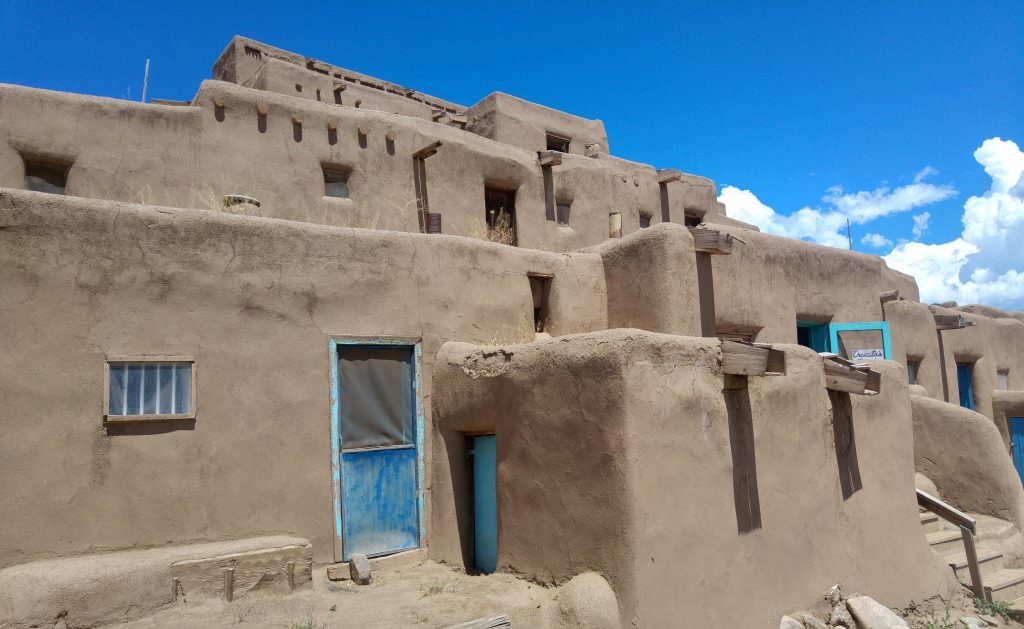
Adobe, derived from the Arabic word “atobe,” has roots that stretch across continents and epochs. Ancient civilizations, from the mud-brick structures of Mesopotamia to the adobe dwellings of the American Southwest, embraced this earthy building technique.The pueblo villages of the indigenous peoples in the American Southwest, such as those in Taos and Acoma, showcase the continuity of adobe construction. In the Middle East, the ancient city of Shibam in Yemen stands as a UNESCO World Heritage Site, featuring towering mud-brick structures that exemplify the longevity and aesthetic appeal of adobe.The simplicity of the adobe block, made from a mixture of earth, sand, and straw, belies its cultural richness and historical significance, making it a captivating subject for architectural exploration.
Methods of Adobe Construction
Adobe construction involves a straightforward yet meticulous process:
- Material Composition: Adobe bricks are typically made from a blend of local soil, sand, straw, and sometimes stabilizers like lime. The mixture is then formed into bricks and sun-dried.
- Brick Formation: The adobe mixture is poured into molds to create uniform bricks. Once formed, the bricks are left to dry in the sun, relying on solar energy to cure and solidify the material.
- Construction Process: Adobe bricks are laid in courses, bonded together with a mortar made from the same adobe mixture. The structure is built by stacking these bricks and reinforcing corners and openings as needed.
- Finishing Techniques: Adobe structures may feature various finishes, from a natural earthen appearance to plaster or whitewash for added protection against the elements.
Physics and Structure of Adobe
The physics of adobe construction are rooted in the properties of its primary components – earth and water:
- Thermal Mass: Adobe’s high thermal mass allows it to absorb, store, and slowly release heat. This property contributes to the regulation of indoor temperatures, making adobe structures naturally comfortable in diverse climates.
- Load-Bearing Strength: While not as high in compressive strength as some modern building materials, adobe provides sufficient load-bearing capacity for low-rise structures. The combination of adobe bricks and mortar creates a cohesive, monolithic structure.
- Moisture Dynamics: Adobe’s porous nature enables it to breathe, regulating moisture within the structure. This breathability contributes to the longevity of adobe buildings by preventing moisture-related issues.
Advantages of Adobe Construction
Adobe construction boasts a spectrum of advantages, each contributing to its enduring popularity:
- Sustainability in Resourcing: The primary ingredients for adobe – earth, sand, and straw – are locally available and renewable. This minimizes the environmental impact associated with resource extraction and transportation.
- Thermal Performance: The thermal mass of adobe provides excellent insulation, reducing the need for artificial heating and cooling. This natural temperature regulation aligns with sustainable and energy-efficient building practices.
- Cost-Effectiveness: Adobe construction is often cost-effective, especially in regions where suitable soils are readily available. The simplicity of the construction process contributes to affordability.
- Cultural Significance: Adobe structures carry cultural significance, connecting communities to their heritage and fostering a sense of place. This cultural resonance contributes to the continued preference for adobe in certain regions.
Sustainability in Thermal Aspects
Adobe construction shines in terms of sustainability, particularly in thermal aspects:
- Passive Solar Design: Adobe’s thermal mass is harnessed through passive solar design, where the material absorbs and stores heat during the day and releases it gradually at night. This energy-efficient strategy contributes to sustainable building practices.
- Low Embodied Energy: The production of adobe bricks requires minimal processing, resulting in low embodied energy. This aligns with principles of sustainable architecture by reducing the environmental impact associated with manufacturing.
- Reduced Reliance on Mechanical Systems: The thermal performance of adobe allows for reduced dependence on mechanical heating and cooling systems, promoting a more self-sufficient and eco-friendly approach to building.
Notable Case Studies: Famous Structures with Adobe
Explore iconic structures that celebrate the enduring beauty and sustainability of adobe architecture:
- Taos Pueblo, New Mexico: A UNESCO World Heritage Site, Taos Pueblo is a living example of adobe construction, with multi-story dwellings that have been continuously inhabited for over a thousand years.
- Shibam, Yemen: Often referred to as the “Manhattan of the Desert,” Shibam is known for its mud-brick high-rises, showcasing the resilience and aesthetic appeal of adobe in an arid climate.
- San Francisco de Asís Mission Church, New Mexico: This historic church exemplifies the simplicity and elegance of adobe construction, blending seamlessly with the Southwestern landscape.
- Adobe Houses of the American Southwest: Countless homes in regions like New Mexico and Arizona showcase the adaptability and charm of adobe construction, providing a sense of place and cultural continuity.
- Adobe Forts in Rajasthan, India: The historic forts in Rajasthan, such as the Jaisalmer Fort, showcase the use of adobe in monumental structures that have withstood centuries of time.
Challenges and Future Prospects
While adobe construction holds numerous advantages, challenges include susceptibility to water damage, erosion, and seismic considerations. Ongoing research focuses on developing improved stabilizers, protective finishes, and construction techniques to address these challenges.The future prospects for adobe construction are promising, with a growing awareness of sustainable building practices and a renewed interest in traditional methods. Innovations in adobe technology, including stabilized adobe and the integration of modern materials, may further enhance its resilience and appeal.
Conclusion: Sustaining the Earth, One Adobe Brick at a Time
As we navigate an era that increasingly values sustainability and cultural preservation, adobe construction emerges as a beacon of wisdom from our architectural past. Its simplicity, resilience, and connection to the earth embody a holistic approach to building that resonates with the principles of sustainable architecture. By celebrating the legacy of adobe, we not only honor our shared history but also pave the way for a more sustainable and culturally rich architectural future. In a world where innovation often seeks to reinvent, adobe stands as a testament to the enduring beauty of traditions that have stood the test of time.