



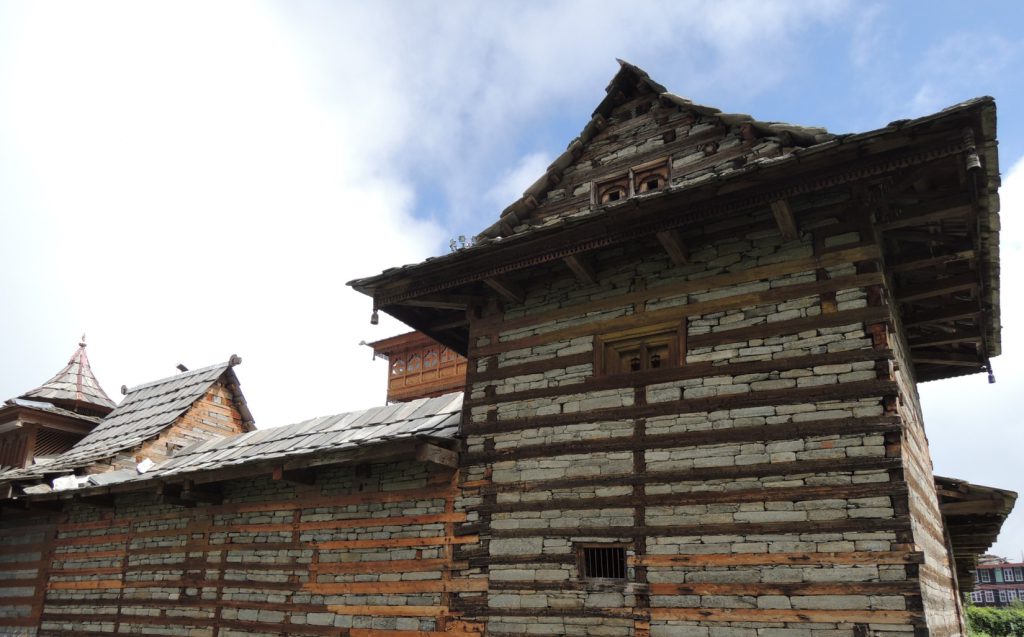
In the heart of the Himalayan region emerges a unique architectural marvel – Kath Kuni – a traditional form of construction found particularly in Himachal Pradesh, the northernmost state of India India. This centuries-old building technique, characterized by the intricate interplay of wood and stone, is more than just a construction method; it’s a cultural legacy echoing through the mountains. In this exploration, we will delve into the methods, unravel the physics and structure, trace the cultural and historical background, and explore the climate-responsive features that define Kath Kuni architecture. As we journey through the traditions and history, we’ll shine a spotlight on the advantages, with a particular emphasis on sustainability in resourcing and thermal aspects. Additionally, we’ll visit notable case studies and famous structures that stand as testaments to the enduring craftsmanship.
Background and Historical Significance
Kath Kuni architecture finds its roots in the Himalayan region, notably in the states of Himachal Pradesh and Jammu & Kashmir in India. This ancient building technique, transmitted through generations, reflects the cultural ethos and the climatic conditions of the region. Traditionally used for residential structures, religious shrines, and community buildings, Kath Kuni has become synonymous with the architectural identity of the western Himalayas.
Kath Kuni key carchteristic
- Schemes and Layouts: Typically, a Kath-Kuni building is multi-storied with thick walls at the base and thinner ones at the top. The lower floors are generally used for livestock and storage, while the upper floors are living spaces. The roofs are often steeply pitched, suitable for heavy snowfall regions. The design of these buildings also includes overhanging balconies and intricate wood carvings, adding to their aesthetic appeal. The layout is generally rectangular, and the size of the buildings can vary based on their use and location.
- Materials: Kath Kuni involves alternating layers of wood and stone, meticulously assembled without the use of mortar. The choice of materials is crucial, with local hardwoods for the wooden elements and regional stones for the masonry work.
- Layering Technique: The method employs a systematic layering approach, with each layer of wood and stone forming a cohesive unit. The absence of mortar relies on the precise fitting of these elements, showcasing the skill and craftsmanship of the builders.
- Joinery: Kath Kuni incorporates a variety of joinery techniques, including traditional wooden pegs and interlocking methods. This not only adds to the structural integrity but also contributes to the aesthetic appeal of the architecture.
- Sustainability in Resourcing: Kath Kuni relies on locally sourced materials, reducing the environmental impact associated with transportation. The use of hardwoods and stones from the region ensures a sustainable and renewable building approach.
- Cultural Continuity: Kath Kuni architecture embodies cultural continuity, preserving traditional building methods and reflecting the identity of Himalayan communities. The method is often transmitted through apprenticeships, ensuring the transfer of skills and knowledge.
- Climate Adaptability: Kath Kuni’s adaptability to the Himalayan climate, with its extremes of cold, heat, and seismic activity, showcases the pragmatic wisdom embedded in this traditional building technique.
- Thick Walls: The walls, made of stone and wood, are quite thick. This adds to the thermal insulation properties and also increases the inertia of the building, helping it resist seismic forces.
- Roof Design: The roofs are usually steeply pitched, which is a common feature in snowy regions. This design helps in the quick shedding of snow, reducing the load on the structure.
Notable Examples
- Bhimakali Temple, Sarahan: The Bhimakali Temple in Sarahan, Himachal Pradesh, is a splendid example of Kath Kuni architecture. The temple’s intricate wooden carvings and robust stone construction reflect the mastery of this traditional technique in religious structures.
- Naggar Castle, Kullu: The historic Naggar Castle in Kullu stands as a testament to the enduring charm of Kath Kuni. Perched on a hill, the castle showcases the integration of this building technique with elevated architectural forms.
- Traditional Homes in Malana: The village of Malana boasts traditional Kath Kuni houses that have stood for generations. These homes, nestled in the mountains, represent the quintessential marriage of tradition, sustainability, and functionality.
Structural Principles of Kath Kuni Architecture
Kath Kuni architecture, is renowned for its unique structural principles and seismic resilience.
- Structural Principles: Kath-Kuni structures are characterized by their unique use of wood and stone. The primary principle behind this method is ‘crib’ or ‘cage’ construction. Interlocking wooden beams, known as ‘Kath’ in local language, are used to create a framework. Stones, typically unshaped or semi-dressed, are filled in the spaces between the wooden framework. This interlocking pattern forms the core structure of the buildings, ranging from residential houses to temples and forts.
- Seismic Resilience: The Kath-Kuni method offers excellent seismic resilience due to its inherent flexibility. The interlocking wood and stone construction provides a form of ‘give’ during seismic events, allowing the structure to absorb and dissipate seismic energy. This flexibility prevents the building from collapsing, a common failure in more rigid structures. The use of wood, which is more flexible than stone or brick, helps in absorbing the seismic shocks. Furthermore, since the stones are not cemented but rather stacked and held in place by the wooden beams, the structure can withstand considerable movement without significant damage.
- Interlocking Wood and Stone: Kath Kuni structures are characterized by their use of alternating layers of deodar wood and stone. The wood is known for its durability and flexibility, which is crucial in earthquake-prone areas. The interlocking nature of these materials creates a ‘give’ in the structure, allowing it to absorb and dissipate seismic energy.
- Lack of Nails or Cement: Remarkably, these structures often don’t use nails or cement. The wooden beams and stones are expertly carved and placed in a manner that they hold each other in place. This method contributes to the overall flexibility of the structure, which is vital for seismic performance.
- Corner Joints: The corner joints in Kath Kuni architecture are of particular interest. They are often intricately designed, not only for aesthetic appeal but also to ensure stability and distribute load effectively.
- Thick Walls: The walls, made of stone and wood, are quite thick. This adds to the thermal insulation properties and also increases the inertia of the building, helping it resist seismic forces.
- Roof Design: The roofs are usually steeply pitched, which is a common feature in snowy regions. This design helps in the quick shedding of snow, reducing the load on the structure.
- Flexibility and Energy Dissipation: The key to Kath Kuni’s seismic resilience lies in its inherent flexibility due to the interlocking wood and stone. This flexibility allows the building to sway and absorb seismic waves, rather than resisting them rigidly, which reduces the risk of collapse.
- Load Distribution: The method of construction, with its interlocking pattern and corner joints, ensures a more even distribution of both static and dynamic loads. In an earthquake, this quality is crucial as it prevents the concentration of stresses in certain parts of the building.
- Redundancy and Robustness: The layered approach in construction provides redundancy. If one layer gets damaged, others can still maintain the structural integrity. This redundancy is a key principle in earthquake engineering.
- Historical Evidence: Many Kath Kuni structures have withstood earthquakes that have caused significant damage to modern buildings. This historical evidence further underlines the seismic resilience of these structures.
- Load-Bearing Capabilities: The alternating layers of wood and stone create a load-bearing structure that is both robust and flexible. This design allows Kath Kuni buildings to withstand seismic forces, a crucial consideration in the earthquake-prone Himalayan region.
- Flexibility and Resilience: The inherent flexibility of Kath Kuni allows structures to absorb and dissipate energy during seismic events, showcasing its resilience in the face of natural forces.
Climate-Responsive Architectural Features:
- Passive Solar Design: Kath Kuni structures often incorporate passive solar design principles, optimizing sunlight exposure during colder months and providing shade in the warmer months. This approach enhances energy efficiency and occupant comfort.
- Thermal Mass: The dense stone elements contribute to thermal mass, helping regulate indoor temperatures. This natural insulation becomes particularly important in harsh mountain climates, where temperature variations can be extreme.
- Natural Ventilation: Openings and windows are strategically placed to facilitate natural ventilation, allowing for the exchange of fresh mountain air while minimizing energy consumption.
- Rainwater Harvesting: Traditional Kath Kuni structures may include features for rainwater harvesting, capitalizing on the abundant rainfall in the region and promoting sustainable water practices.
Conservation Challenges and Future Prospects
- Preservation of Knowledge: With changing building practices and the lure of modern materials, there is a challenge in preserving the knowledge and skills associated with Kath Kuni construction. Efforts in documentation, education, and promotion are essential to sustain this cultural heritage.
- Innovations: Ongoing research and innovation can enhance Kath Kuni’s resilience and adaptability. Exploring ways to incorporate modern construction techniques without compromising the traditional essence can contribute to its continued relevance.
- Community Engagement: Involving local communities in the preservation and promotion of Kath Kuni is crucial. Supporting initiatives that empower communities to maintain their architectural heritage fosters a sense of pride and ownership.
- Documentation and Research: Detailed documentation of existing Kath Kuni structures and research on their performance during past earthquakes can provide valuable insights for future construction.
- Modern Integration: Integrating modern engineering principles with traditional Kath Kuni techniques can enhance durability and seismic resistance while preserving cultural heritage.
- Community Involvement: Involving local communities in the preservation and propagation of this architectural style is crucial. This includes skill development programs for traditional craftsmanship.
- Policy Support: Government policies that support and encourage the use of Kath Kuni techniques in new constructions, especially in seismic zones, can help preserve this architectural heritage.
Conclusion
Kath-Kuni architecture is not only culturally significant but also a marvel of ancient engineering, particularly in terms of its seismic resilience. The blend of materials and the method of construction make these structures uniquely suited to their environment, demonstrating a deep understanding of local materials and climatic challenges.
In conclusion, Kath Kuni architecture, with its unique interplay of wood and stone, offers not only a glimpse into traditional Himalayan life but also presents valuable lessons in building sustainable and earthquake-resistant structures.
As we navigate the complexities of modern architecture, Kath Kuni stands as a beacon of sustainable tradition. Its methodical layering of wood and stone, shaped by generations of hands-on knowledge, weaves structures that resonate with the Himalayan landscapes. Beyond its functional brilliance, Kath Kuni architecture symbolizes a cultural continuum—a bridge between the past and the future. In a world seeking sustainable solutions, the mountains whisper timeless lessons through the craft of Kath Kuni, urging us to embrace the wisdom inherent in tradition while innovating for a sustainable tomorrow.